The most important tool I use when I read is the pause. We even talk about books as being a quick read or not. The writers that say a lot with few words cause us to pause to take in what we just read.
Poets are the masters of the pause. They use this tool more than just about any other technique. It is quite common for a poem to take a long time to write, sometimes years for a poem to be finished. The reason is the poet is looking for the right word or phrase to communicate something worthy of the pause.
World Read Aloud Day
There is even a day each year where we celebrate the reading aloud of the written word. There are the masters of this art that make us all want to just listen to the reading aloud of writings.
Who hasn’t heard a reader take off as if it is a race to the end of the passage only to leave listeners all confused due to the lack of pauses?
That pause is a tool that when used properly allows the silence to give deeper meaning to the word or phrase just preceding the pause.
Paul Harvey the master of the pause
The New York Times said that Paul Harvey’s “trademarks: a hypnotic timbre, extended pauses for effect, heart-warming tales of average Americans and folksy observations that evoked the heartland, family values and the old-fashioned plain talk one heard around the dinner table on Sunday.”
Paul Harvey understood the power of the pause.
The visual pause
The still image has come to be known as the visual pause. For the audience can savor a moment rather than being bombarded by a constant moving image of life as we experience it in real time.
Even in video and film the still image is used to help the audience absorb the content. Ken Burnes is an American director and producer of documentary films, known for his style of using archival footage and photographs. He has mastered the use of the still image. The audience is not bored by the still image, but rather mesmerized and able to digest the content.
The photograph has helped influence our world and change it.

Robert Capa’s photograph of Omaha Beach, Normandy, France in 1944 put the viewer on the front line of the war.

Dorothea Lange’s 1936 picture of the Migrant Mother put a face on the Great Depression.

Eddie Adams 1968 photograph of the murder of a Vietcong by Saigon Police Chief helped to end the Vietnam War.
The photos are like poems. They allow the audience to pause and take in the deeper meanings of the images.
Now just compare the video below of the famous moment of the murder of a Vietcong by Saigon Police Chief. I think this helps us understand how important the [PAUSE] is for something so emotionally impactful.
This is an interview with Eddie Adams years later talking about this experience. It happened so quick for Eddie that he didn't even think about it having any impact at all even after he shot it. It is only when he was able to [PAUSE] did he understand what he shot.
Video and cinema use the still
Even in the movies directors use the still image to help the audience pause to absorb the moment. Sometimes they will slow down the movement to give a similar affect.
While video is about movement if it duplicates reality of life too much then the pause is lost.
Great producers understand the storyline and use the images as well as the sound to help tell the story. The more emotional the storyline becomes the more the movie will slow down.
Combining poetry and the photograph
If you could combine the reading of poetry at it’s best with the strongest still images of the subject you could have an incredible impact.
In the fourth quarter of this year’s Super Bowl Dodge RAM ran a 2 minute package combining the best of the spoken pause of Paul Harvey with some of the great photojournalist for a package that was voted the #1 Super Bowl ad this year by AdWeek.
Which medium?
Each medium we use for messaging has it's strengths. My largest concern today is that too many people are defaulting to video for everything.
I have some recommendations for those who want the most impact with their message.
If your message is vital to your organization then you need to pull out all the stops. This is where you put a team of communicators working together on the project.
You need strong text, strong still images and compelling video that is presented in a way that compels the audience to become engaged with the topic.
This is where you do what Jimmy Bonner, of the Richards Group, the brainchild of the "God Made the Farmer" ad did. The instructions were very simple and freedom was given to those photographers. He gave each photographer Paul Harvey's speech and asked them to spend time with the farmers and ranchers. Just shoot what you feel is appropriate.
Andy Anderson, one of the photographers blogged on the project. He said:
Poets are the masters of the pause. They use this tool more than just about any other technique. It is quite common for a poem to take a long time to write, sometimes years for a poem to be finished. The reason is the poet is looking for the right word or phrase to communicate something worthy of the pause.
World Read Aloud Day
There is even a day each year where we celebrate the reading aloud of the written word. There are the masters of this art that make us all want to just listen to the reading aloud of writings.
Who hasn’t heard a reader take off as if it is a race to the end of the passage only to leave listeners all confused due to the lack of pauses?
That pause is a tool that when used properly allows the silence to give deeper meaning to the word or phrase just preceding the pause.
Paul Harvey the master of the pause
The New York Times said that Paul Harvey’s “trademarks: a hypnotic timbre, extended pauses for effect, heart-warming tales of average Americans and folksy observations that evoked the heartland, family values and the old-fashioned plain talk one heard around the dinner table on Sunday.”
Paul Harvey understood the power of the pause.
The visual pause
The still image has come to be known as the visual pause. For the audience can savor a moment rather than being bombarded by a constant moving image of life as we experience it in real time.
Even in video and film the still image is used to help the audience absorb the content. Ken Burnes is an American director and producer of documentary films, known for his style of using archival footage and photographs. He has mastered the use of the still image. The audience is not bored by the still image, but rather mesmerized and able to digest the content.
The photograph has helped influence our world and change it.
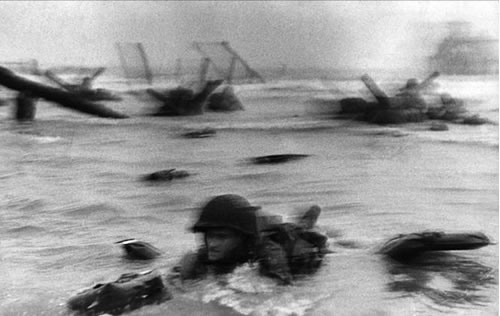
Robert Capa’s photograph of Omaha Beach, Normandy, France in 1944 put the viewer on the front line of the war.
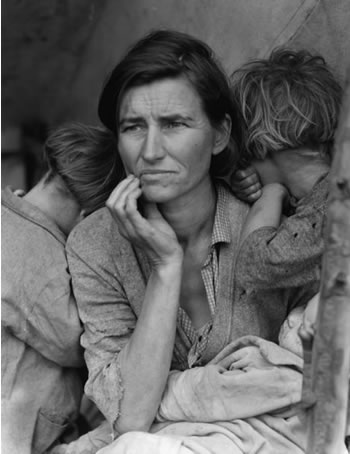
Dorothea Lange’s 1936 picture of the Migrant Mother put a face on the Great Depression.
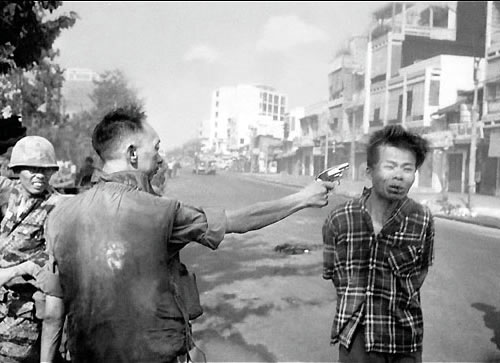
Eddie Adams 1968 photograph of the murder of a Vietcong by Saigon Police Chief helped to end the Vietnam War.
The photos are like poems. They allow the audience to pause and take in the deeper meanings of the images.
Now just compare the video below of the famous moment of the murder of a Vietcong by Saigon Police Chief. I think this helps us understand how important the [PAUSE] is for something so emotionally impactful.
This is an interview with Eddie Adams years later talking about this experience. It happened so quick for Eddie that he didn't even think about it having any impact at all even after he shot it. It is only when he was able to [PAUSE] did he understand what he shot.
Even in the movies directors use the still image to help the audience pause to absorb the moment. Sometimes they will slow down the movement to give a similar affect.
While video is about movement if it duplicates reality of life too much then the pause is lost.
Great producers understand the storyline and use the images as well as the sound to help tell the story. The more emotional the storyline becomes the more the movie will slow down.
Combining poetry and the photograph
If you could combine the reading of poetry at it’s best with the strongest still images of the subject you could have an incredible impact.
In the fourth quarter of this year’s Super Bowl Dodge RAM ran a 2 minute package combining the best of the spoken pause of Paul Harvey with some of the great photojournalist for a package that was voted the #1 Super Bowl ad this year by AdWeek.
Which medium?
Each medium we use for messaging has it's strengths. My largest concern today is that too many people are defaulting to video for everything.
I have some recommendations for those who want the most impact with their message.
If your message is vital to your organization then you need to pull out all the stops. This is where you put a team of communicators working together on the project.
You need strong text, strong still images and compelling video that is presented in a way that compels the audience to become engaged with the topic.
This is where you do what Jimmy Bonner, of the Richards Group, the brainchild of the "God Made the Farmer" ad did. The instructions were very simple and freedom was given to those photographers. He gave each photographer Paul Harvey's speech and asked them to spend time with the farmers and ranchers. Just shoot what you feel is appropriate.
Andy Anderson, one of the photographers blogged on the project. He said:
10 photographers capturing on there own terms the life of a farmer and rancher. All of us searching for meaningful images. Not any one photo rising above any others, but collectively voicing a message for folks and a vocation we have all really taken for granted. The last truly archetypical American worker. And who better else to match the images with than Paul Harvey…America’s grandfather.Do you want impact like this ad had on the world? Maybe then you need to consider the power of the pause--the visual pause of the photograph.